The Missing Piece: Fibre
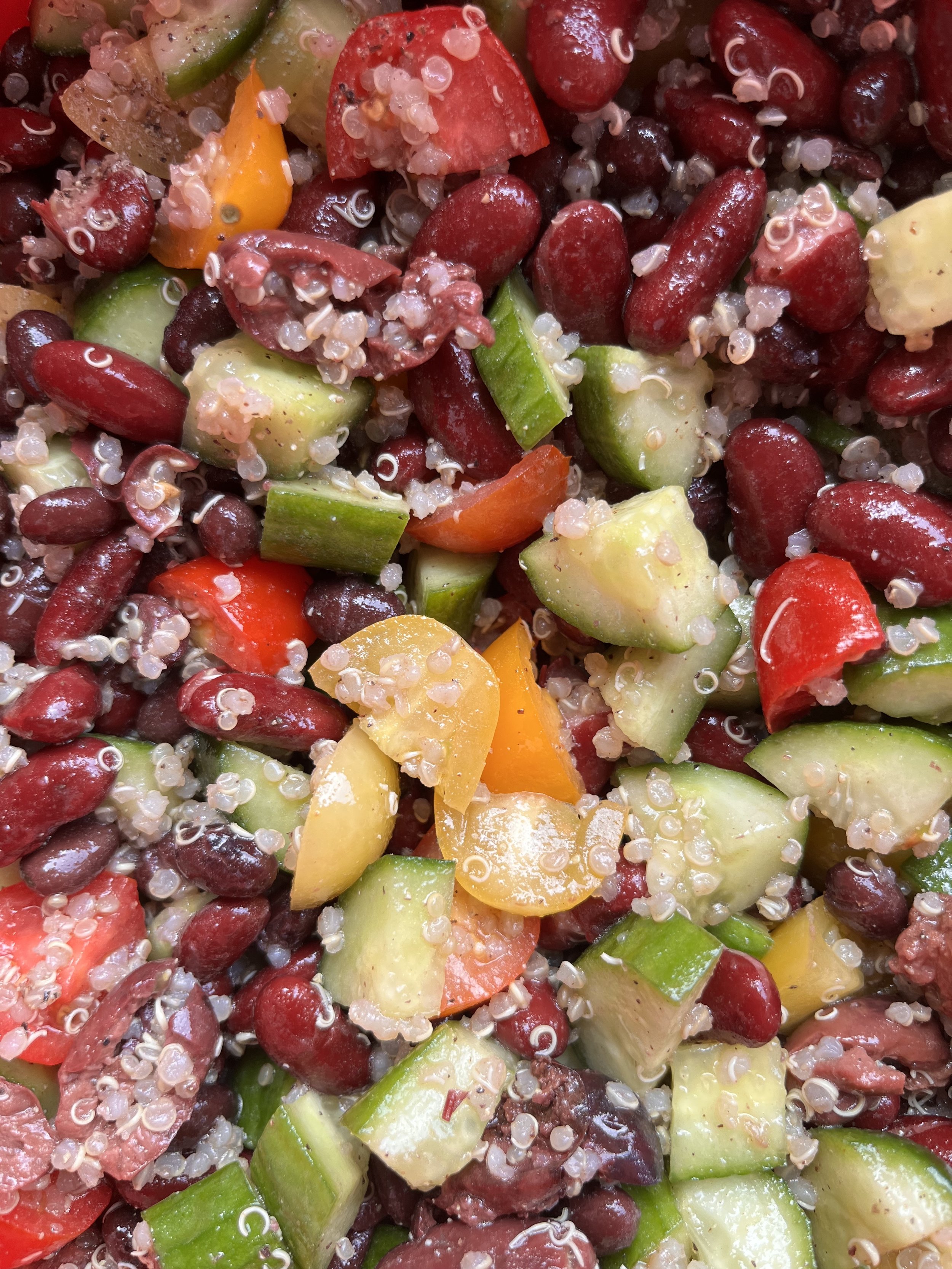
Let’s talk about fibre, or what I commonly refer to as the Forgotten Nutrient, The Missing Piece.
We so often hear about protein, hydration, healthy fats, avoiding processed sugar and of course the classic eat your fruit & veggies. But what we’re not hearing enough or acknowledging is fibre.
Fibre is the key, the missing piece to the puzzle that is digestive concerns, skin issues, brain fog and energy slumps. Fibre is not just important for maintaining healthy transit time in the gut, and for supplying the nutrients we need to ensure proper bowel movements; it trickles into so much more. The most fibrous foods are also the most nutrient-dense, and in my opinion we’re desperately lacking in key micro-nutrients needed for the optimal functioning of our bodies.
It took me a conversation with a fellow Holistic Nutritionist friend when I had my aha! moment. I had been dealing with bloating, indigestion, and chronic constipation - and as a Nutritionist I thought ‘I know what to do, why does this keep happening?” I’m hydrated, I move my body, I eat relatively healthy (I don’t restrict, c’mon how can I say I live a “balanced lifestyle” if I don’t enjoy a delicious donut), but I was still dealing with these symptoms. I made my first mistake (of a few) and turned immediately to supplements:
Indigestion: “My stomach acid must be low; I must not be breaking down my food properly.”
Bloating: “I must not have an adequate amount of digestive enzymes to break down my food and absorb the nutrients.”
Chronic Constipation: “I must need electrolytes or aloe vera; I must not be absorbing my water (drinking over 2L a day), maybe my colon is inflamed; the aloe will help.”
And don’t get me wrong, sure these things did help …. maybe for a few weeks, then it was right back to being constipated. It was talking to a friend; she asked me a simple question: “How much fibre do you eat in a day?” and my answer? “I have absolutely no idea”… so over the next few days I tracked my fibre intake, and honestly, I was shocked. It was bordering on 5g per day; max I would get 10g. Do you know what the recommended minimum daily fibre intake is? 25g! Safe to say this shocked me; I ate vegetables, but I wasn’t eating the right ones, or pairing them for optimal dietary intake of fibre.
So I looked into it; I started adding in seeds (nut-free gal here), and after a few days I saw the BIGGEST shift in my symptoms. Although I caution you, going from 5g A DAY to 10g in ONE MEAL was definitely a shock to my system: think cramps, bloating, gas… so don’t do what I did. Start gradually.
I made smoothies; I looked into the most fibre-dense foods and what the best way to incorporate these into my diet looked like. The changes I noticed were incredible. Not only did my bowel movements improve, but my digestion was overall so much better; I felt that I was actually absorbing my nutrients from my food because I no longer had that ‘stagnant after eating feeling’ - things we’re actually moving.
Now why should you care about fibre???
Well, for one, it is absolutely vital for proper colon functioning, as it works together by supplying bulk to stool, as well as the foods themselves provide “good” gut bacteria. Have you ever felt like after you eat, your food just sits there? I’m telling you, you need fibre!
There are two types of fibre: soluble and insoluble.
Soluble Fibre: is the softener and binder. Softens stool to make it easier to pass, binds to waste, supporting elimination, supports blood sugar balance and provides beneficial gut bacteria
Insoluble Fibre: is known as the mover. It helps keep you regular, adds bulk to stool to encourage movement through the colon, and prevents that “stuck” or sluggish feeling.
In the body, fibre absorbs toxins, bile, and cholesterol. Bile is released from the liver to break down fats; your brain is made of fat, and we need fat for hormone health as well. Avocados are a perfect example of my favourite high-fibre foods; they have 10g of fibre per ONE avocado, supply healthy fats for brain function, are great for hormones, and since they’re a great source of fat & fibre, this helps satiety, having a balancing effect on blood sugar and therefore mood & energy.
Toxins binding and removal as waste is SO IMPORTANT. We are exposed to so many toxins daily, not only as pesticide residue on our foods or body-care products, but also in the air we breathe, and that’s right: your body produces its own toxins through many natural functions that it needs soluble fibre to bind to and excrete. Fibre binds to excess estrogen in the body, helping to maintain healthy, happy hormones. Fibre binds to fat-soluble toxins, and without fibre, where do you think fat-soluble toxins go? You guessed right: they get stored in the body as fat (estrogen is a fat-soluble compound, and not having an adequate amount of fibre to bind to it and excrete it can contribute to estrogen dominance - which causes a whole other list of issues in the body that I won’t get into right now). Main point here is we need fibre!
Fibre helps lower cholesterol … have you ever heard of plant sterols? This is a food-based supplement that is advised in the holistic health world to individuals with high cholesterol - plant sterols compete for absorption in the gut with cholesterol; therefore forcing your body to excrete more cholesterol from the body as waste, which then lowers “bad” LDL cholesterol levels. Plant sterols are naturally found in fibre-rich foods - so adding some fibre to your diet doesn’t only benefit the digestive system; it benefits the whole body.
And… of course, I wouldn’t be me without telling you about the emotional connection. Fibre is amazing from a physical standpoint to help with bloating, constipation, indigestion, a healthy gut microbiome, energy levels, etc, etc. But, what if I were to tell you the emotional side of constipation is an inability to let things go? Or the underlying emotional theme for indigestion was the inability to digest life’s circumstances? Or if the underlying emotional theme of bloating was holding onto everything? …. and what does fibre do? Helps you let things go, improves digestion and allows waste to be removed from the body properly. Now this isn’t me saying that fibre addresses your emotions, but it sure does address the physical while you do the emotional work.
The most fibre-rich foods include:
Black Beans: 15g per cooked cup
Lentils: 15g per cup
Chia seeds: 10g per 2 tablespoons
Avocado: 10g per fruit
Raspberries: 8g per cup
As you can see above, the most fibre-rich foods are vegetables! So many of us are deficient in eating vegetables … because come on, restaurants, fast food, these quick and easy-to-go meals don’t support a healthy gut microbiome. Vegetables, fruits, whole grains - these all contain micronutrients we simply can’t get in protein-based products. Now of course, lentils, beans, whole grains these can be a wonderful source of protein on a plant-based diet (as long as you combine them properly), but that’s not what I’m trying to get at here. Simply put, using cottage cheese, greek yoghurt and protein powders to increase protein in your diet is not allowing you to have the most well-rounded diet social media may lead you to believe.
I wanted to make this easy, and I had to on my own journey - I wasn’t about to spend hours in the kitchen every day ensuring I met my fibre intake for the day… so that brings me to the super easy, busy-person-friendly recipe book I have put together for you! Increasing fibre and rounding out your diet in a healthy way doesn’t need to be overwhelming; it can actually be quite simple.
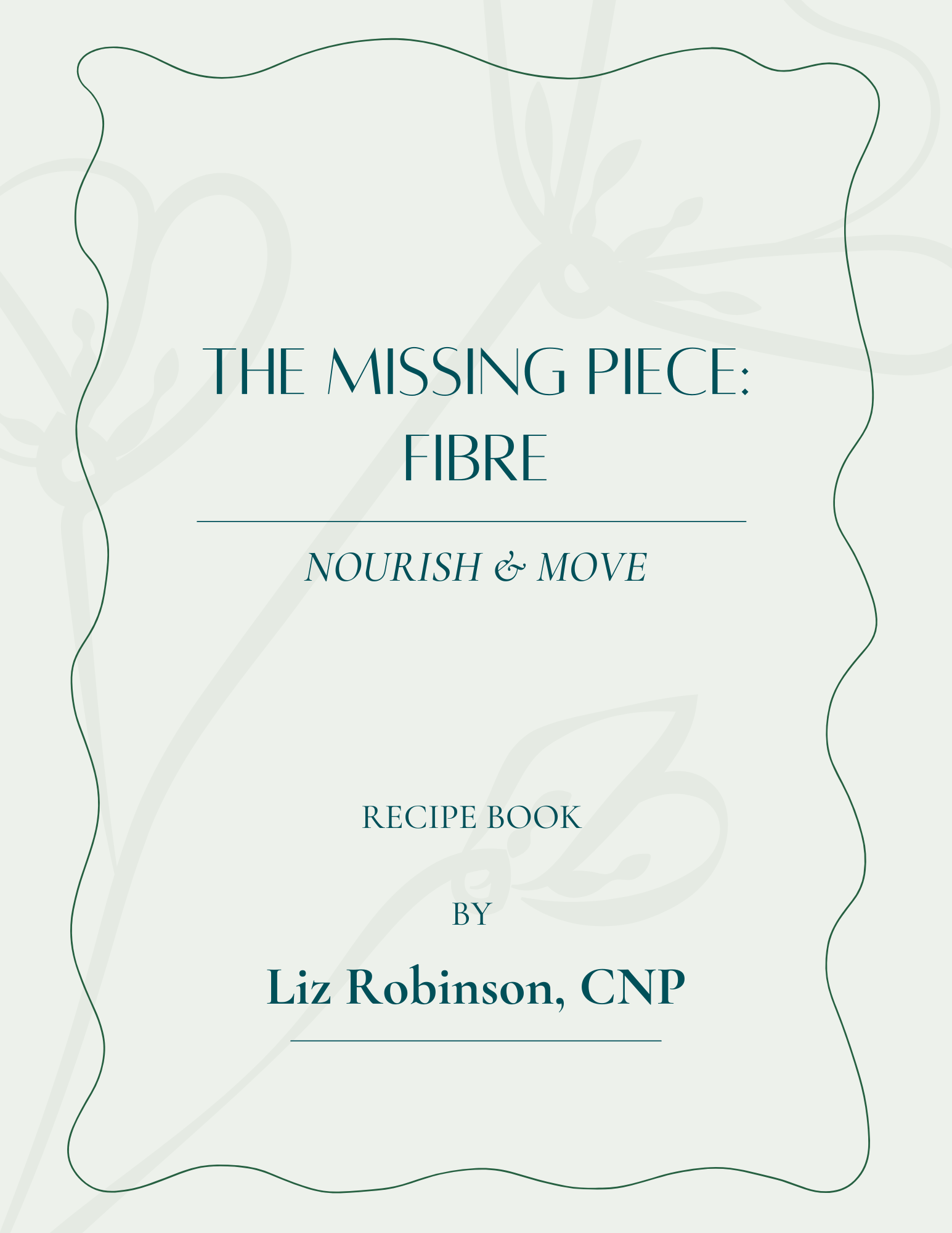
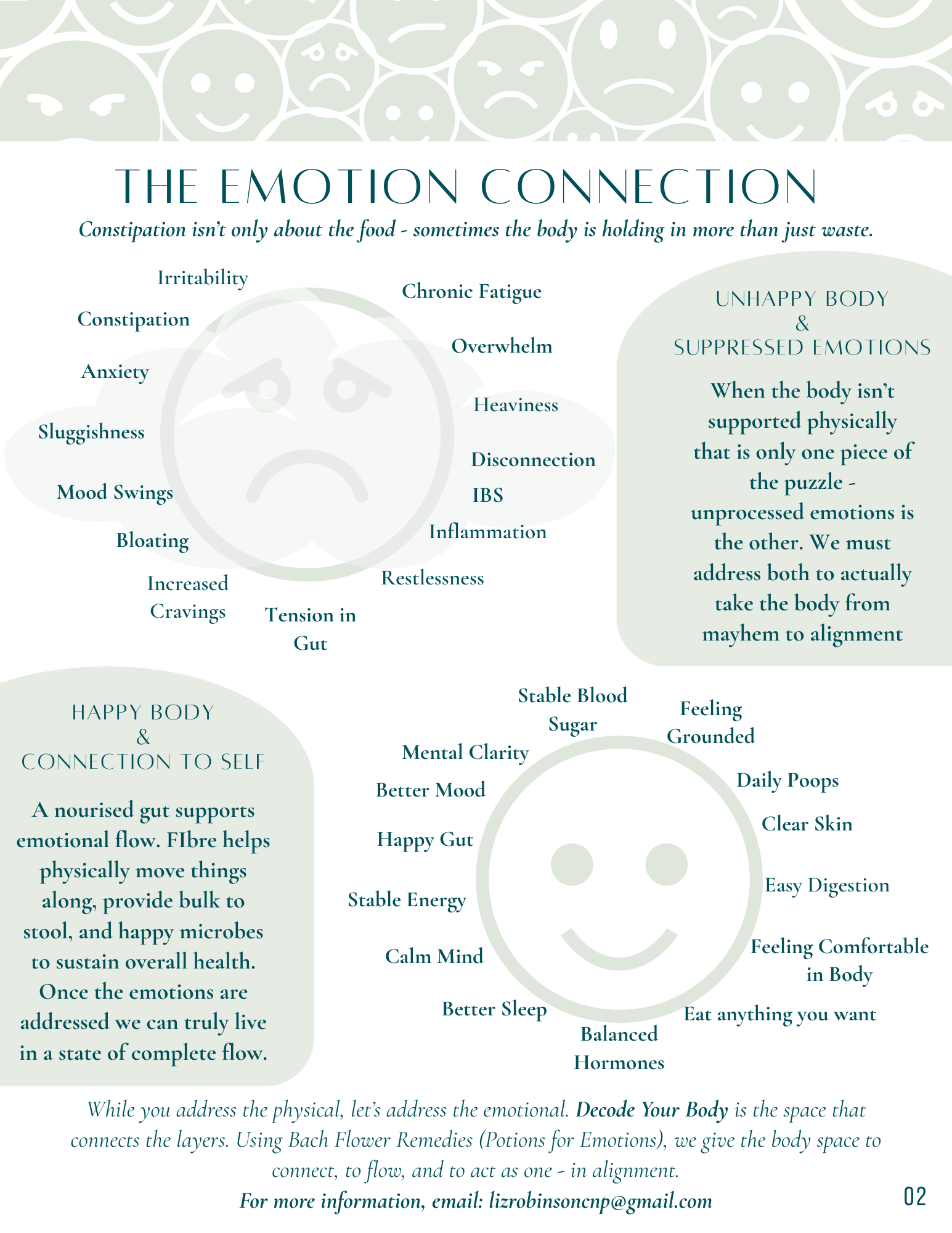
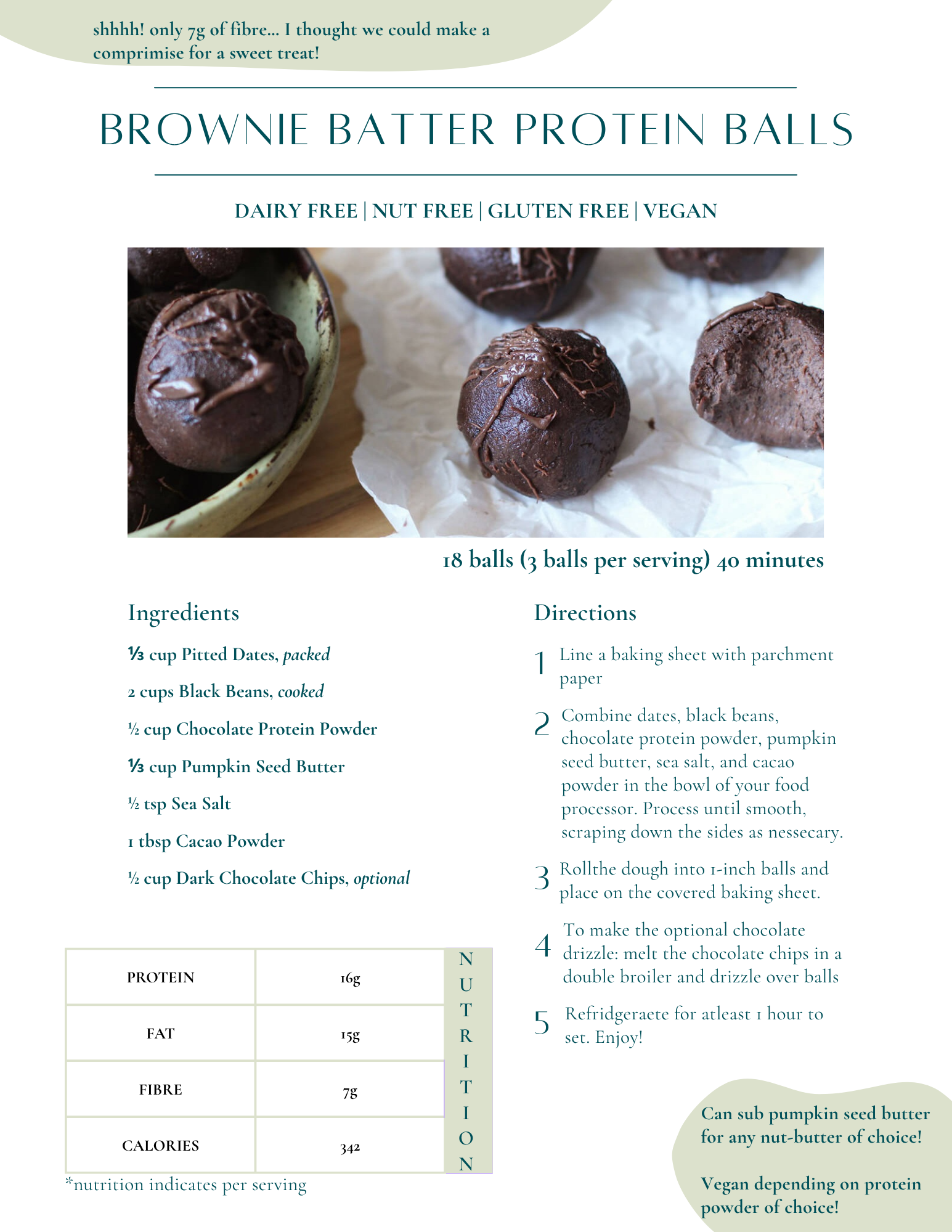
If you’re intrigued by finding super easy ways to increase your daily fibre intake up to the recommended amount in the range of 25g-45g per day. Check out my collection of favourite high-fibre recipes in The Missing Piece: Fibre Recipe Book - every recipe in this book has a minimum of 10g of fibre, making it super easy and accessible for you to achieve the daily minimum and start showing your body it’s safe to flow.
Now, if you feel completely overwhelmed or lost, I want to say I’ve been there and I would love to help guide you through it. Here you can book a free health consultation with me, and we can chat about ways that I can support you on your health journ
ey!
Let me know your favourite ways to incorporate more fibre in your diet below, or any questions you may have in the comments below!
